
CLFF #5: To Die For/No Te Mueras Por Mí, Cielo
Plus one short!

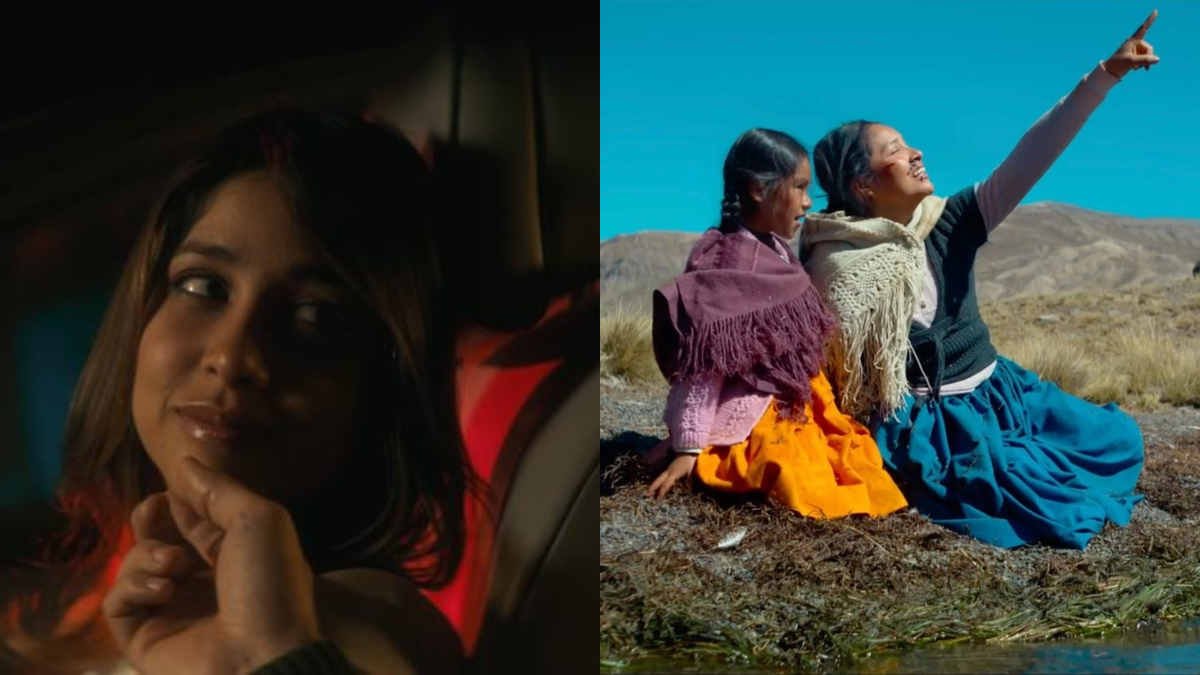
It's been a week since the Chicago Latino Film Festival kicked off and I'm now nine features and four shorts in, with still quite a few more movies to go. The last two days were slower, single-screening days for me, with two features taking us to the northern part of the Andes Mountain range. But before we dive into those features, let's start with a short from Panama—my second watch from the Central American country following the feature film Espina earlier in the week (a movie you may recall I liked quite a bit).
SHORT: One Last Bolero/Un último bolero
Directed by Roberto Thomas Díaz
Panama 🇵🇦
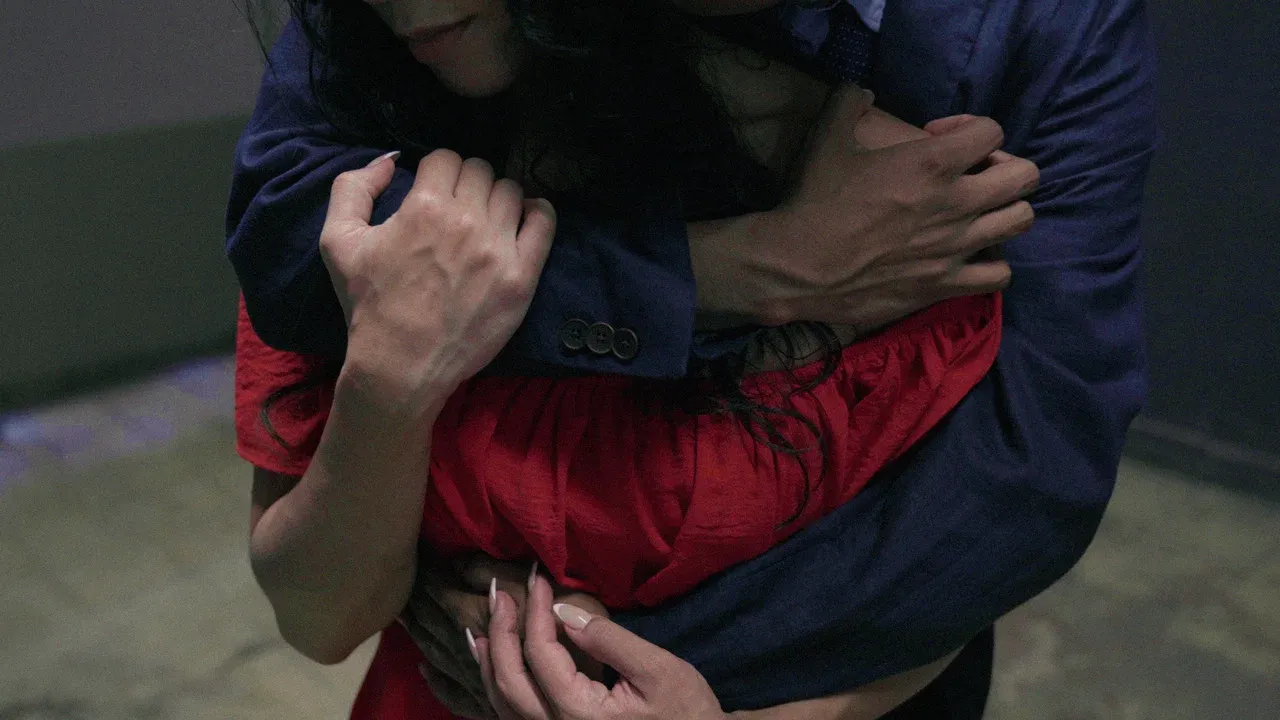
One Last Bolero is a melodramatic short that is challenging in how it abstracts the circumstances between its estranged leads to dreamlike, interpretive flashbacks, and suggestions toward a greater conflict that includes betrayal both romantic and political in nature. What is suggested hints at complicity in the military dictatorship that once decimated the country—and perhaps the similarly violent U.S. invasion that would follow. The short ends abruptly, suggesting that this may be proof of concept for a longer work, but I'll say the distinct style and implications of the greater narrative left me impressed, and I do hope we can see more in the future.
To Die For/No Te Mueras Por Mí
Directed by Daniel Rehder
Peru 🇵🇪
Daniel Rehder's To Die For (boy, do I prefer the more accurate English translation, "Don't Die For Me") was the main feature following One Last Bolero, and while there's threadbare overlap in the tension between former lovers, it is remarkable how much more visually and thematically interesting the 8-minute short is compared to this feature.
The premise of To Die For starts strong: A somewhat stereotypical depiction of a fairytale romance that descends into violence is set within the worlds of reality television (she) and private equity (him). While the nice guy-to-worst nightmare turn is well worn, there is a natural, unexplored element to how reality TV reflects how spectators develop narratives about people they don't know, and how those narratives are weaponized against them. Rehder said in the Q&A that the film was partially inspired by a real life case in Peru involving a journalist, whose accusations were picked apart in media and the public.
The Lifetime-movie acting and cinematography would be forgivable in the first half if the second half really took the movie to its full potential, but the second half is interchangeable with any courtroom drama about systemic misogyny. Emma (Ximena Palomino, who is actually stronger acting out her character's darker emotions than the times when she's supposed to be happy) is too perfect of a victim, and Cristóbal (Juan Carlos Rey de Castro) too clearly a ticking-timebomb of a villain to feel anything but the obvious. Emma's depiction makes clear that this movie is made by a sympathetic party, but not one with life experience or understanding. Her agency is reduced to thematic speeches, but pretty much everything in her life happens to her. Even the one ostensibly active decision she makes for herself is put into question as a product of her partner's manipulation.
This is where I make the case for post-film Q&As, though, as frustrating as some may be. This is not the first film I've seen this festival where I was more interested in hearing the director talk about their thought process than seeing its execution. Rehder's heart is in the right place, and I think he has interesting ideas about the role of reality TV and online anonymity in how shaping the persistence of misogyny. I also think some of his strongest assertions in the movie are couched in suggestive but under-explored threads about economic positioning, especially in suggesting that appearing on reality TV doesn't just mean wealth and comfort—there's a real hustle involved. I'd like to see how those ideas play out when Rehder puts a little more trust in the audience to draw conclusions out of characterization and not hand-holding dialogue.
Cielo
Directed by Alberto Sciamma
Bolivia 🇧🇴
Director Alberto Sciamma is a Spanish filmmaker who has been working for about three decades, though Cielo really feels like a breakout after making cult B-movies (really, C-movies) for most of his career. You can tell that working in high-concept genre and having to be crafty with special effects and low budgets has positioned the filmmaker to produce something special after years of gestation. Let me cut my flowery language for a second when speaking about the movie I saw last night: Cielo is major. I need to say that upfront, because this is unlike any movie I've really ever seen, and the prospect of this movie not reaching wider audiences is genuinely upsetting to me.
Cielo is also very hard to describe, because much of its magic is in the unexpected. I don't just mean in the sense of taking the audience for a ride—Cielo at its heart is a movie about the shock of living. The shock comes in forms of great beauty (the desert cinematography in this movie rivals Mad Max: Fury Road). It comes in great tragedy, too; in great, irrevocable mistakes, the violent strike of nature, and the desperate search of signs for something greater.
The one movie that kept coming to mind while watching Cielo is Pan's Labrynth. This is not a comparison, per se, as Sciamma's style is much different from Del Toro's signature gothic moodiness. But Cielo does manage to pull off the very difficult feat that Guillermo Del Toro did 20 years ago. Sciamma tells an adult story through the eyes of a child, not shying away from blunt violence, death, or discomfort, allowing magic and fantasy to exist with neutral morality, and engaging with the inevitable troubles a child may face as they come to terms with the world that has been left to them without providing definitive answers on how we move forward. Cielo is gorgeous, mysterious, and unrelenting. Above all, it is anchored by Fernanda Gutiérrez Aranda, giving one of the most remarkable child performances in memory. What Gutiérrez Aranda carries with her as Santa is heavy and requires a fair amount of physicality in addition to the emotional weight.
This is the second Bolivian production I've seen in the past year (the first being The Condor Daughter), and both have left me impressed. Cielo is a movie that traverses through Bolivia and captures its natural beauty as well as its social complications. In a distribution landscape where we hardly even see Brazilian and Argentinian films adequately screened in the U.S., let alone any other part of South and Central America, I hope a movie like this one can help bring Bolivian productions to worldwide markets. In any case, take whatever chance to see Cielo that you can. If you're in Chicago, that next chance is at CLFF on Sunday, April 26, 7:45pm.
That's my wrap up for the last two days. I've got a great schedule planned through the remainder of the fest, so as always, stay tuned for more dispatches to come. ❀